Hi, my name is Carmen and I have been studying Social Science for 2 years in psychology. My glossary will be for current students and future students who struggle with the comprehension of the basic terms in psychology. I think before deepen our knowledge on a subject, we need to understand the base and that is exactly the purpose of this glossary. The terms use in my glossary are considered "basic terms" in psychology, but what we don't know is that only a few of us can define clearly and explain the meaning of those words. For this glossary, I used the definition of Oxford Languages on Google to make sure it is as clear as possible. After taking a look, I want my reader in the future to use those words correctly and not to misinterpret them anymore.
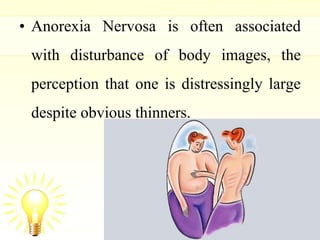
anorexia nervosa
noun
An emotional disorder characterized by an obsessive desire to lose weight by refusing to eat.
Example: However, the current patterns of dieting have the possibilities to lead eating disorder of ANOREXIA NERVOSA and obesity, which are problems in recent Western societies.
en: anorexie nerveuse
anxiety
noun
A feeling of worry, nervousness, or unease, typically about an imminent event or something with an uncertain outcome.
Example: ''Her tongue doesn't hold back..doesn't keep in.' p584 Fetterly disagrees believing; 'she experiences ANXIETY, contradiction and ambivalence in the act of writing,' not because her voice is characteristically female but; 'because she is imprisoned in John's house and text.".
en: anxiété
autism spectrum disorder
noun
Autism spectrum disorder (ASD) is a developmental disability caused by differences in the brain. People with ASD often have problems with social communication and interaction, and restricted or repetitive behaviors or interests. People with ASD may also have different ways of learning, moving, or paying attention.
Example: The children were all part of cohorts with developmental delay, except one who was identified in a cohort with autism spectrum disorder.
en: trouble du spectre de l'autisme
behaviorism
noun
The theory that human and animal behavior can be explained in terms of conditioning, without appeal to thoughts or feelings, and that psychological disorders are best treated by altering behavior patterns.
Example: To begin with, BEHAVIORISM gave great emphasis on learners' immediate production.
en: béhaviorisme
bipolar disorder
noun
Bipolar disorder (formerly called manic-depressive illness or manic depression) is a mental disorder that causes unusual shifts in mood, energy, activity levels, concentration, and the ability to carry out day-to-day tasks.
Example: Some researchers have hypothesized that the use of antidepressants for depression may even trigger bipolar disorder in children who are genetically predisposed.
en: trouble bipolaire
bulimia
noun
An emotional disorder involving distortion of body image and an obsessive desire to lose weight, in which bouts of extreme overeating are followed by depression and self-induced vomiting, purging, or fasting.
Example: Genetic factors are considered to be less important in BULIMIA Nervosa compared to Anorexia Nervosa although potential genetic links have been identified.
en: boulimie
dependance
noun
The state of relying on or needing someone or something for aid, support, or the like.
Example: Alcohol addiction also involves both psychological dependence and physical dependence.
en: dépendance
emotion
noun
A natural instinctive state of mind deriving from one's circumstances, mood, or relationships with others.
Example: Of course passion, an EMOTION, cannot be said to physically flow but we traditionally link passion and strong feelings with blood, as it is innate and these feelings, like our blood, cannot be changed.
en: émotion
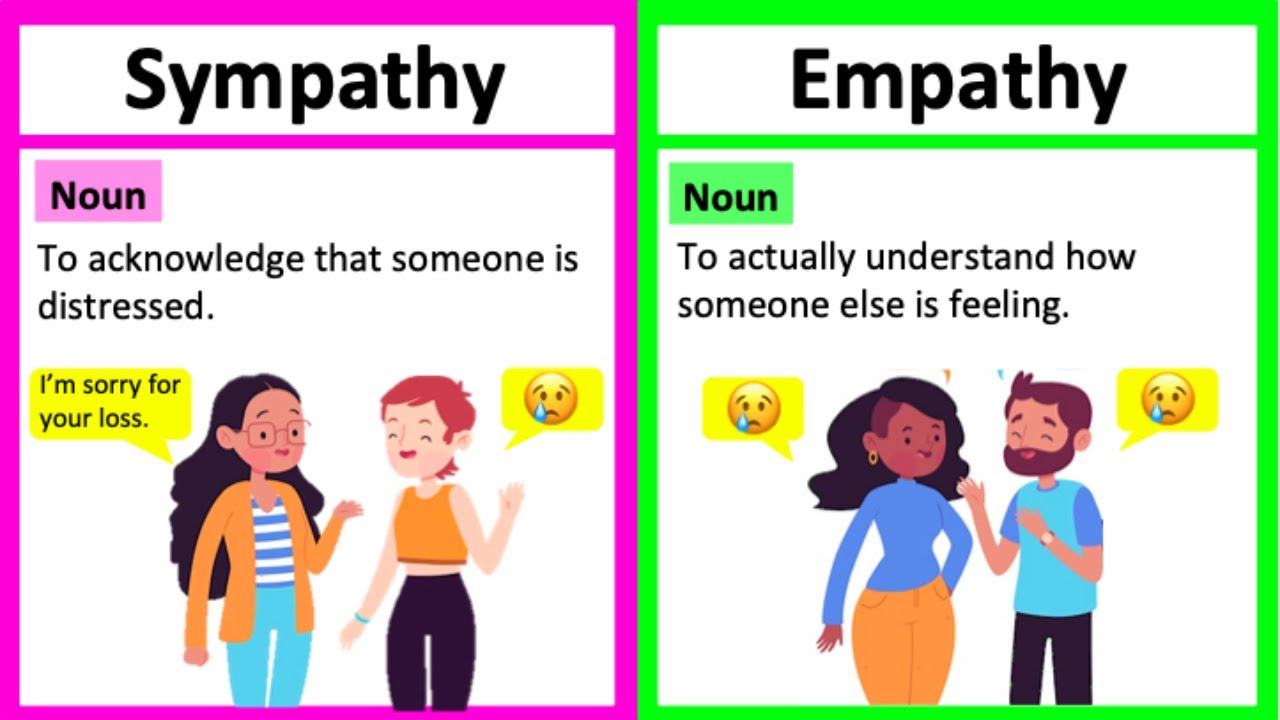
empathy
noun
The ability to understand and share the feelings of another.
Example: ''The child continued to play on the floor with the nurse and made a comment which I thought showed EMPATHY and sensitivity; when she changed position he asked "are your legs tired?"
en: empathie
halo effect
noun
The halo effect (sometimes called the halo error) is the tendency for positive impressions of a person, company, brand or product in one area to positively influence one's opinion or feelings in other areas. Halo effect is “the name given to the phenomenon whereby evaluators tend to be influenced by their previous judgments of performance or personality. The halo effect which is a cognitive bias can possibly prevent someone from accepting a person, a product or a brand based on the idea of an unfounded belief on what is good or bad.
Example: The 'HALO EFFECT' suggests that we form our total impression of a person from this one outstanding trait.
en: effet halo
illness
noun
A disease or period of sickness affecting the body or mind.
Example: Viewing a psychotic episode as a mental ILLNESS and treating it with medication is a very western way of dealing with the problem.
en: maladie
mental disability
noun
Any condition of the mind that has a long-term effect on a person's normal day-to-day activity.
Example: Vulnerable adults are those who cannot look after themselves because of physical or mental disabilities, frailty or drug addiction.
en: maladie mentale
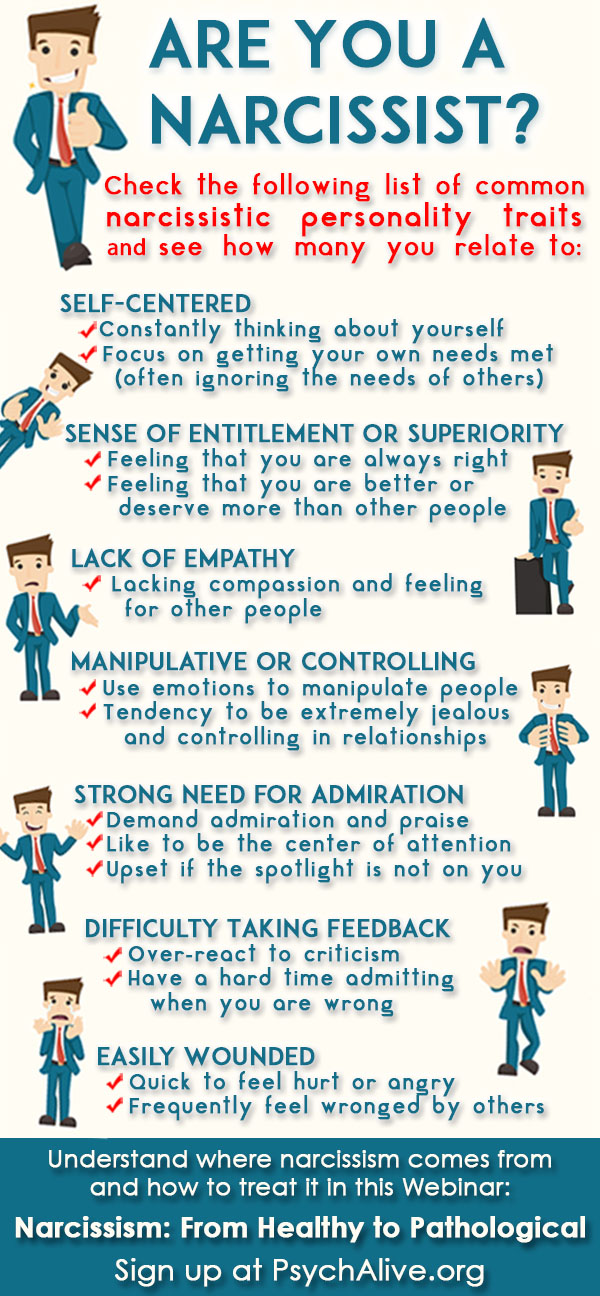
narcissism
noun
Selfishness, involving a sense of entitlement, a lack of empathy, and a need for admiration, as characterizing a personality type.
Example: When I look at narcissism through the vulnerability lens, I see the shame-based fear of being ordinary. I see the fear of never feeling extraordinary enough to be noticed, to be lovable, to belong, or to cultivate a sense of purpose.
en: narcissisme
obsessive-compulsive disorder
noun
Obsessive-Compulsive Disorder (OCD) is a common, chronic, and long-lasting disorder in which a person has uncontrollable, reoccurring thoughts (obsessions) and/or behaviors (compulsions) that he or she feels the urge to repeat over and over.
Example: Someone with obsessive-compulsive disorder or compulsive hoarding will always struggle with the urge to do something he can't control.
en: trouble obsessif compulsif
paranoia
noun
A mental condition characterized by delusions of persecution, unwarranted jealousy, or exaggerated self-importance, typically elaborated into an organized system. It may be an aspect of chronic personality disorder, of drug abuse, or of a serious condition such as schizophrenia in which the person loses touch with reality.
Example: A person's race may result in them being persecuted by the homogenous group in society and this could be a cause of PARANOIA and distress.
en: paranoïa
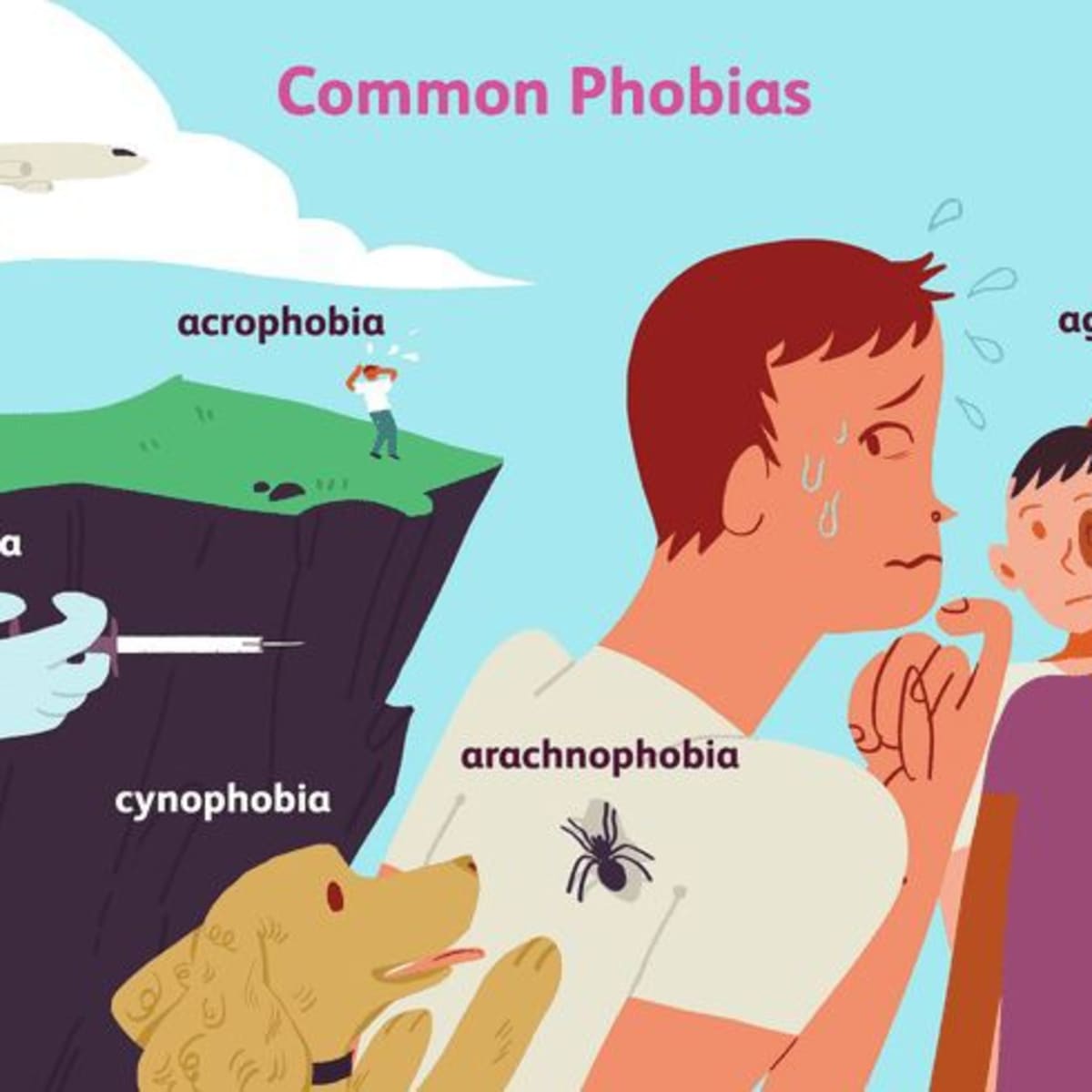
phobia
noun
An extreme or irrational fear of or aversion to something.
Example: Until then had never been seen by a Doctor, due to a PHOBIA of healthcare professionals, following a traumatising event during her childhood at the time of her mother's illness and death.
en: phobie
psychological well-being
noun
Psychological well-being consists of positive relationships with others, personal mastery, autonomy, a feeling of purpose and meaning in life, and personal growth and development.
Example: This supports the view of Maslow (1999) that PSYCHOLOGICAL WELL-BEING and health can only be achieved if the individual is involved in making decisions about their life.
en: bien être psychologique
schizophrenia
noun
Schizophrenia is a serious mental disorder in which people interpret reality abnormally. Schizophrenia may result in some combination of hallucinations, delusions, and extremely disordered thinking and behavior that impairs daily functioning, and can be disabling.
Example: The National Service Framework for Mental Health (DoH 1999) also states that there is a need for psychosocial interventions in the treatment of SCHIZOPHRENIA. SCHIZOPHRENIA a severe and enduring mental illness; that is to say that recovery may be a long and complicated process with a possibility that an individual may never return to their pre-morbid personality.
en: schizophrénie
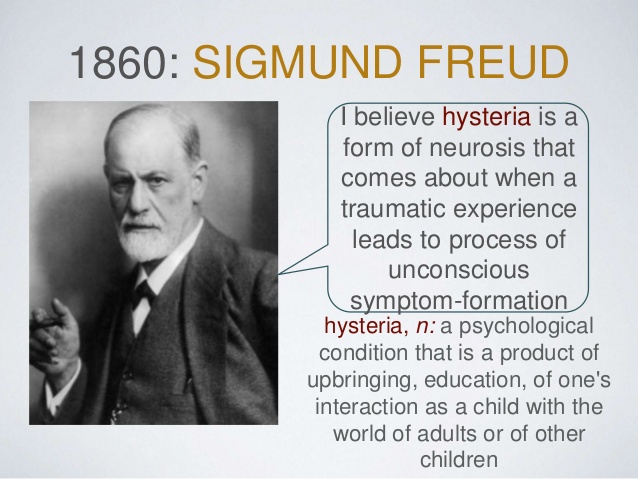
Sigmund Freud
proper noun
Sigmund Freud was an Austrian neurologist and the founder of psychoanalysis, a clinical method for evaluating and treating pathologies in the psyche through dialogue between a patient and a psychoanalyst.
Example: Members of the jury the prosecution have presented their case and now it is for you to decide if SIGMUND FREUD's theory of Psychoanalysis should be studied in Psychology.
en: Sigmund Freud
therapy
noun
The treatment of mental or psychological disorders by psychological means.
Example: Interventions appropriate to meet Michelle's needs: The main treatment for anorexia nervosa is psychological, including cognitive behavioural THERAPY, family THERAPY and counselling. These interventions will usually be carried out by a psychologist.
/dsm-5-criteria-for-generalized-anxiety-disorder-1393147-final-5cde49b87f644d4a9eb25ad7ab1ceae0.png)
/What-Is-Behaviorism-in-Psychology-4171770-final-v2-0c089813f8ad421f906305fe9db01aeb.png)




/identifying-schizophrenia-in-children-4155780-88bc55cd9a3247e1b794167e6a0d4667.png)